
5 Principles of Timeless Architectural Design

INTRODUCTION
Timeless architecture goes beyond trends. It focuses on creating spaces that remain relevant, functional, and visually compelling for years to come. While design styles evolve, certain principles continue to define architecture that stands the test of time.
1. Simplicity in Form
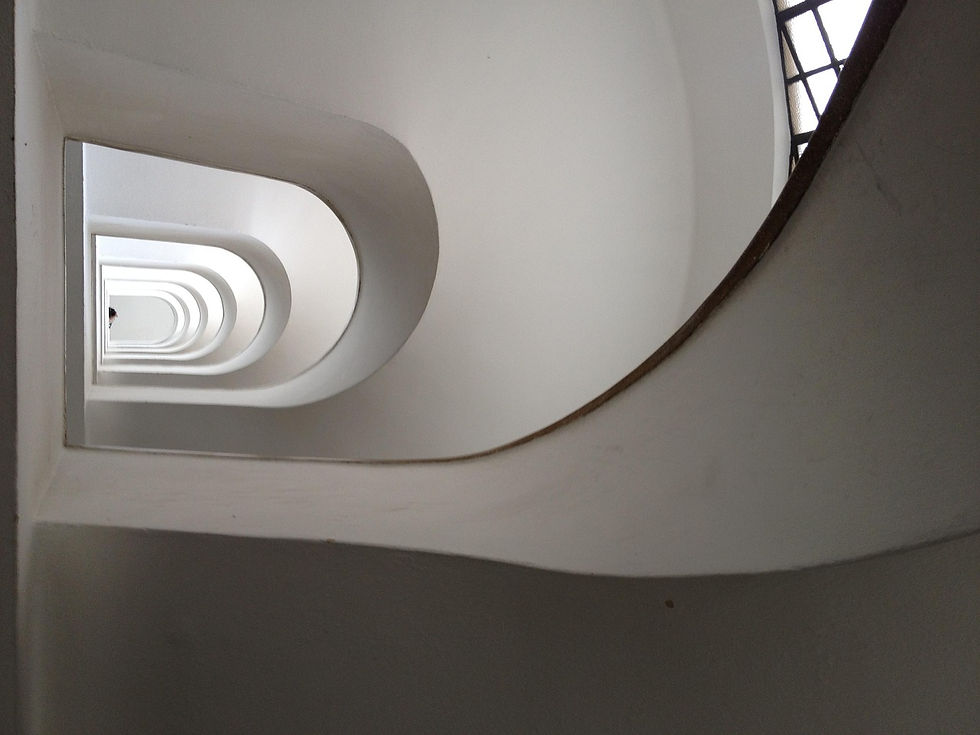
Clean lines and simple geometries create a strong foundation for timeless design. Avoiding unnecessary complexity allows the architecture to remain visually balanced and adaptable over time.
2. Functional Design
A well-designed space prioritizes usability. Layouts should support how people live, work, and move within the environment, ensuring long-term practicality.
3. Quality Materials
Durable, natural materials such as wood, stone, and concrete age gracefully and add depth to the design. These materials contribute to both longevity and aesthetic appeal.
4. Connection to Environment
Timeless architecture responds to its surroundings. Whether through natural light, views, or orientation, the relationship between structure and environment is essential.

5. Attention to Detail
Small details—from joinery to finishes—play a significant role in elevating a design. Consistency and precision create a cohesive and refined result.
Conclusion
By focusing on these principles, architects and designers can create spaces that remain functional, beautiful, and relevant for generations.
Comments